Uganda, Part 3: This is part 3 of my "Uganda-The Pearl of Africa" series, the part where we go gorilla trekking at Bwindi Impenetrable National Park. Read about our time in Entebbe, Uganda here, and our visit to Lake Bunyonyi here. Pre-Trip...

I had wanted to go to Uganda for years.
I had learned about the Global Health Collaborative, which offered me an opportunity to volunteer in the pathology department at Mbarara University of Science and Technology (MUST). But civil unrest and security concerns made Vuong understandably resistant to the idea. Eventually the situation improved, a change in jobs gave me the time, and after a long conversation, he agreed to come with me.
The program even put him to work helping with the pathology department's laboratory information system. So this wasn't really a vacation for either of us.
We spent our first night in Entebbe, visited the botanical gardens and the zoo, and then immediately ignored what would later become one of our most important rules in Uganda: do not ride the boda bodas. We climbed onto the backs of two motorcycle taxis for a completely chaotic ride back to our villa, hanging on behind drivers who seemed to have considerably less concern for our continued existence than we did.
Then we headed into the country.
When I remember Uganda, I remember red and green. Long, rough red-dirt roads stretching ahead of us through some of the lushest green vegetation I'd ever seen.
Before going to work in Mbarara, we spent time at Lake Bunyonyi, where we met Jack and visited an orphanage, wandered through a local market where I was once again very aware of being the conspicuous outsider, and encountered a bathroom that remains firmly planted on my list of the worst toilets I've ever seen.
In Mbarara, we stayed at the Harvard guest house, where our hostess welcomed us, fed us breakfast every morning, and gave us a spacious room with a bed approximately as soft as a concrete slab. There were a few adjustments to daily life. If we wanted a hot shower, we had to remember to flip a switch about 30 minutes beforehand. The electrical outlets had to be switched on, too. None of this was particularly difficult—it just became part of our new routine. We also received very clear instructions: don't go out after dark and, under absolutely no circumstances, take a boda boda.
Every morning, dressed conservatively for work—me in modest dresses and sneakers—we walked down the red dirt roads and through a golf course on our way to the university. Along the way was an enormous tree that appeared to be covered in dark leaves.
They weren't leaves.
They were bats. Hundreds and hundreds of them.
And then there were the marabou storks. Sometimes called “undertaker birds,” these enormous, vaguely prehistoric-looking birds seemed to be everywhere, standing around watching us with their bald heads and hunched shoulders, looking like they were patiently waiting for something unfortunate to happen to us.
Between the bats and the undertaker birds, our morning commute had a distinctly ominous quality.
At MUST, I worked in pathology—reading slides, teaching medical students, participating in tumor boards and, for part of the trip, functioning as the only attending pathologist in the department. Vuong worked on the lab's computer system.
But what I remember most are the people.
There was Betty, the department secretary, who talked to me about “digging,” which I eventually realized meant working in her garden. Dr. Raymond was the chief resident and became a friend I still keep in touch with today. There was a little boy who seemed genuinely terrified of me at first—I apparently looked like some sort of white devil—but decided I might be acceptable after we gave him an inflatable basketball.
We ate rolexes for lunch almost every day: chapati wrapped around eggs and herbs. Rolled eggs. Rolex. Still one of my favorite food names anywhere.
Outside the hospital, I'd hear people call out “mzungu” as we walked through markets. One day, another white person actually stopped her car when she saw us. That was how we met Claudine, a German woman who apparently found the sight of fellow foreigners remarkable enough to pull over and say hello.
Working at the hospital also gave me a glimpse of life in Uganda that I never would have seen from a safari vehicle. Families traveled for hours from their villages with sheets, towels, and other necessities for hospitalized relatives, sometimes sleeping on mattresses outside the simple rooms where their family members were being treated. It was a reminder that while I had come to Uganda looking for an experience, the people around me were simply living their lives.
And yes, we did eventually become tourists.
We tracked lions in Queen Elizabeth National Park with one of the more unusual wildlife trackers I've ever met, stayed in a beautiful permanent tented camp, and went on proper game drives. On the Kazinga Channel, a violent storm appeared seemingly out of nowhere and came frighteningly close to swamping our small boat in water populated by hippos and crocodiles.
Then there was Bwindi.
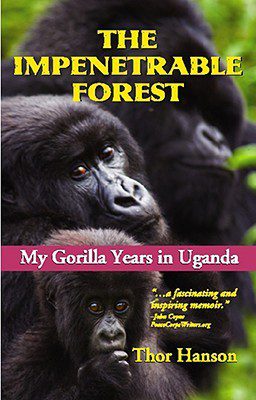
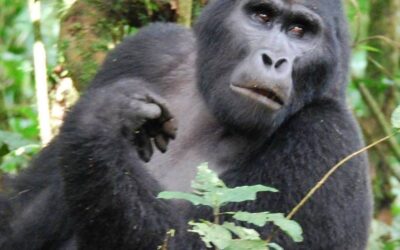
We trekked into the forest to see mountain gorillas, prepared for an arduous expedition that turned out to be considerably shorter than expected. We watched a mother and baby together. A silverback passed close enough to brush against Vuong. And one of the gorillas eventually reminded everyone that even one of the most extraordinary wildlife encounters on earth can include farting.
Uganda gave me some of the wildest stories of any trip I've taken. But when I think about it now, the safari and gorillas aren't the first things that come to mind.
I think about the walk to work. The red dirt against all that green. The tree full of bats. The undertaker birds watching us. Rolexes for lunch. Betty talking about digging. Raymond in the pathology department. Families gathered outside the hospital.
I went to Uganda hoping to contribute something. I came home feeling like Uganda had given far more to me.
Prepare to be whisked away! Here's where I spill the beans on my adventures across the globe.
Uganda, Part 3: This is part 3 of my "Uganda-The Pearl of Africa" series, the part where we go gorilla trekking at Bwindi Impenetrable National Park. Read about our time in Entebbe, Uganda here, and our visit to Lake Bunyonyi here. Pre-Trip...
Uganda, Continued This is part 5 of my "Uganda- The Pearl of Africa" series, the one where we visit Queen Elizabeth and Lake Mburo National Parks. Read the first 4 parts here, where we visit Entebbe, Lake Bunyonyi, Bwindi Impenetrable National Park, and Mbarara. See...
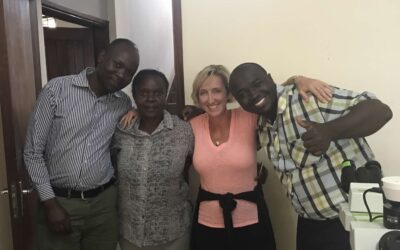
Uganda, Part 4: This is Uganda, the Pearl of Africa Part 4, Mbarara. Here, we get into the meat of our trip and the reason we visited Uganda in the first place. Read about the first three parts of our trip: Part 1-Entebbe, Part 2-Lake Bunyonyi, and Part 3-Gorilla...
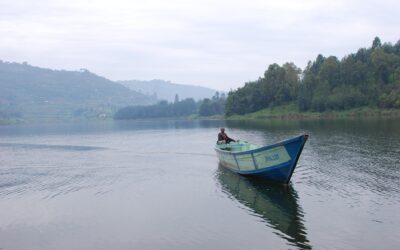
Uganda, Part 2: This is Uganda- The Pearl of Africa, Part 2, the part where we visit Lake Bunyonyi! Read about the first part of our trip to Uganda here. Driving through Uganda, the Pearl of Africa: Our trip took us from Entebbe to Lake...
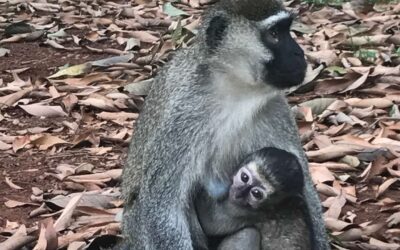
Back in 2017, I had the opportunity to volunteer as a pathologist at the Mbarara University of Science and Technology in Mbarara, Uganda. We packed in a few experiences, including Gorilla Tracking at Bwindi Impenetrable Forest, visits to Entebbe and Lake Bunyonyi, and...
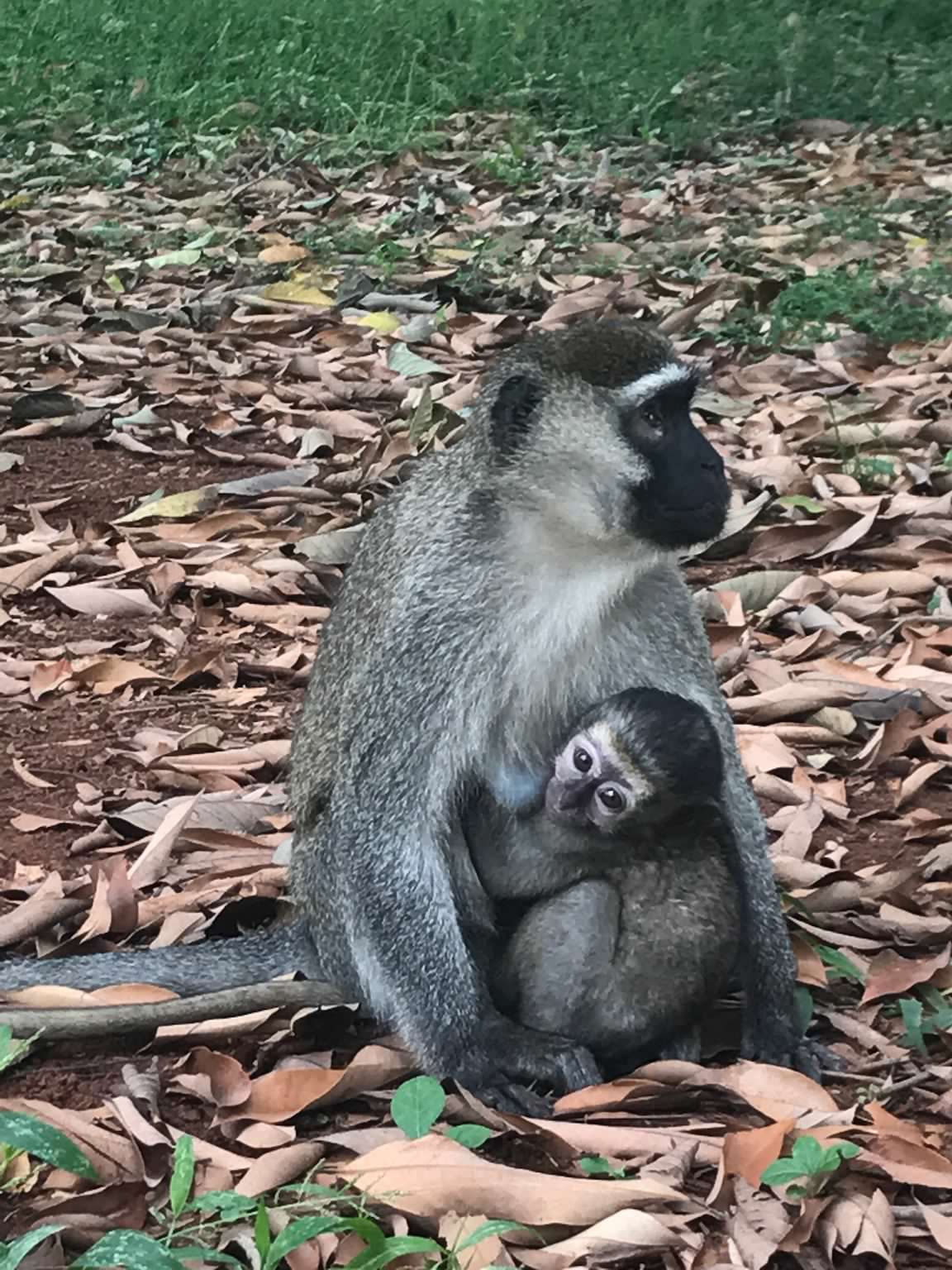
Entebbe Botanical Gardens, Entebbe, Uganda
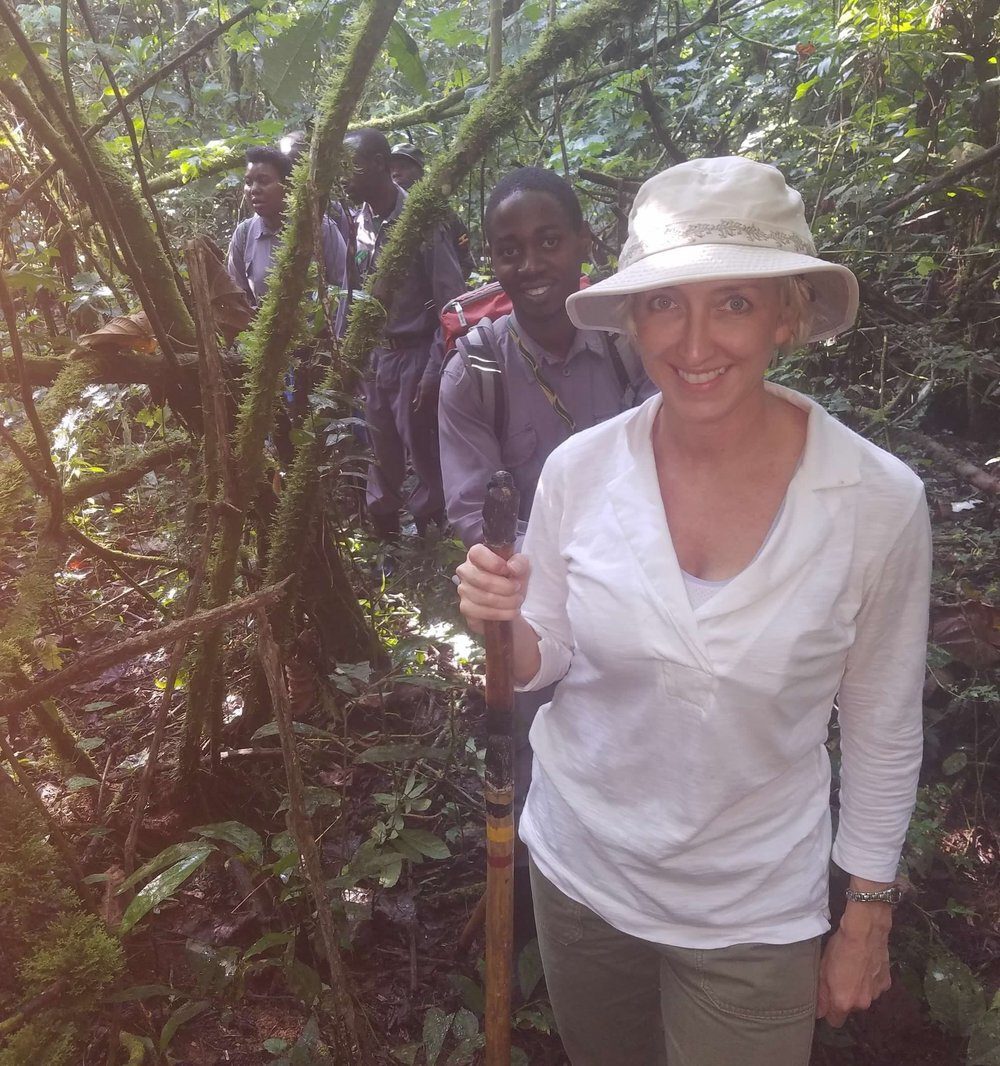
Bwindi Impenetrable Forest, Uganda
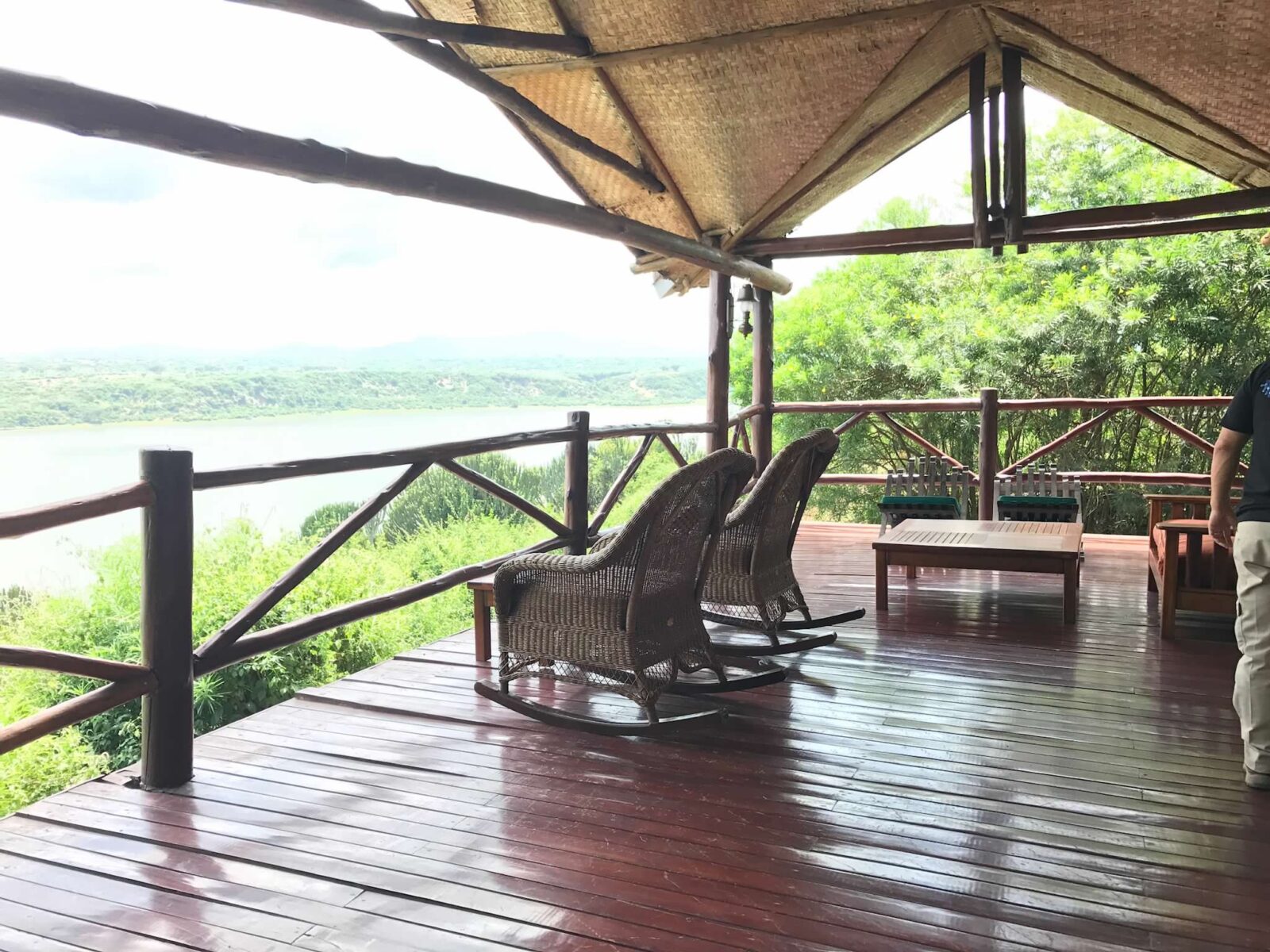
Uganda
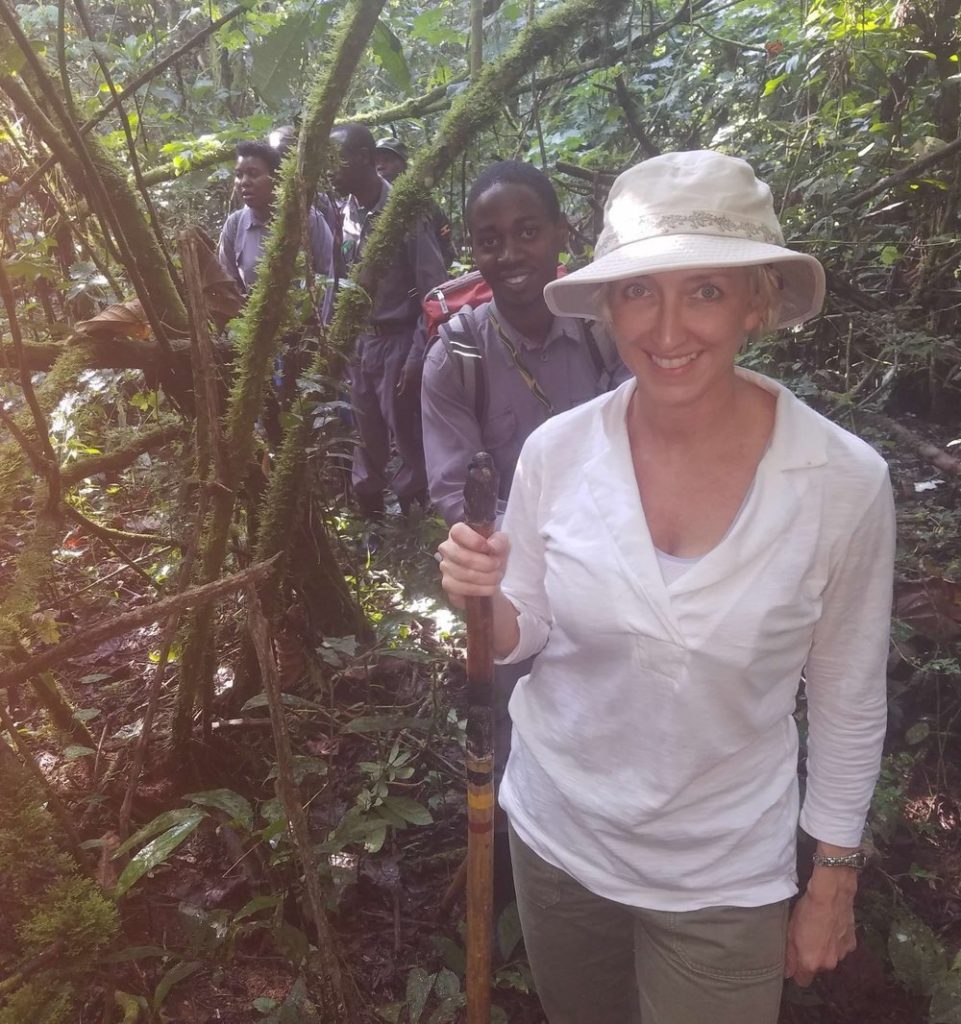
Bwindi, Uganda
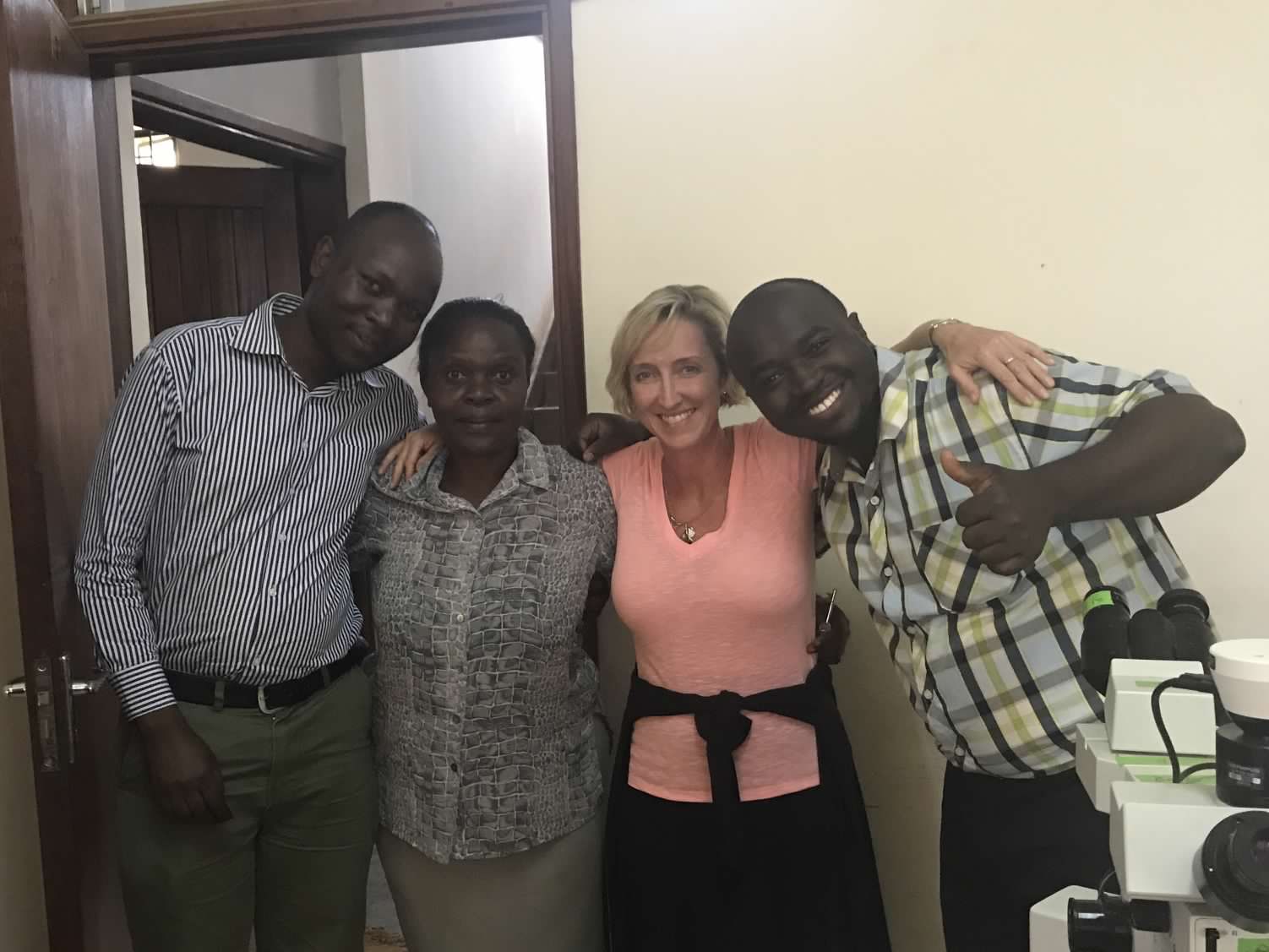
Mbarara University of Science and Technology, Mbarara, Uganda
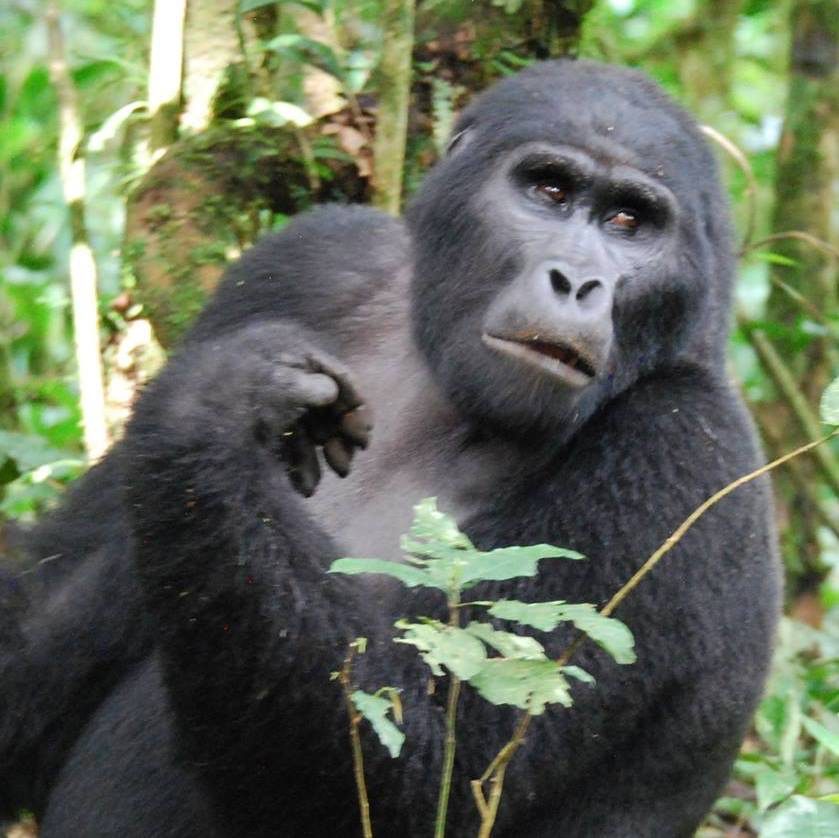
Bwindi Impenetrable Forest, Uganda
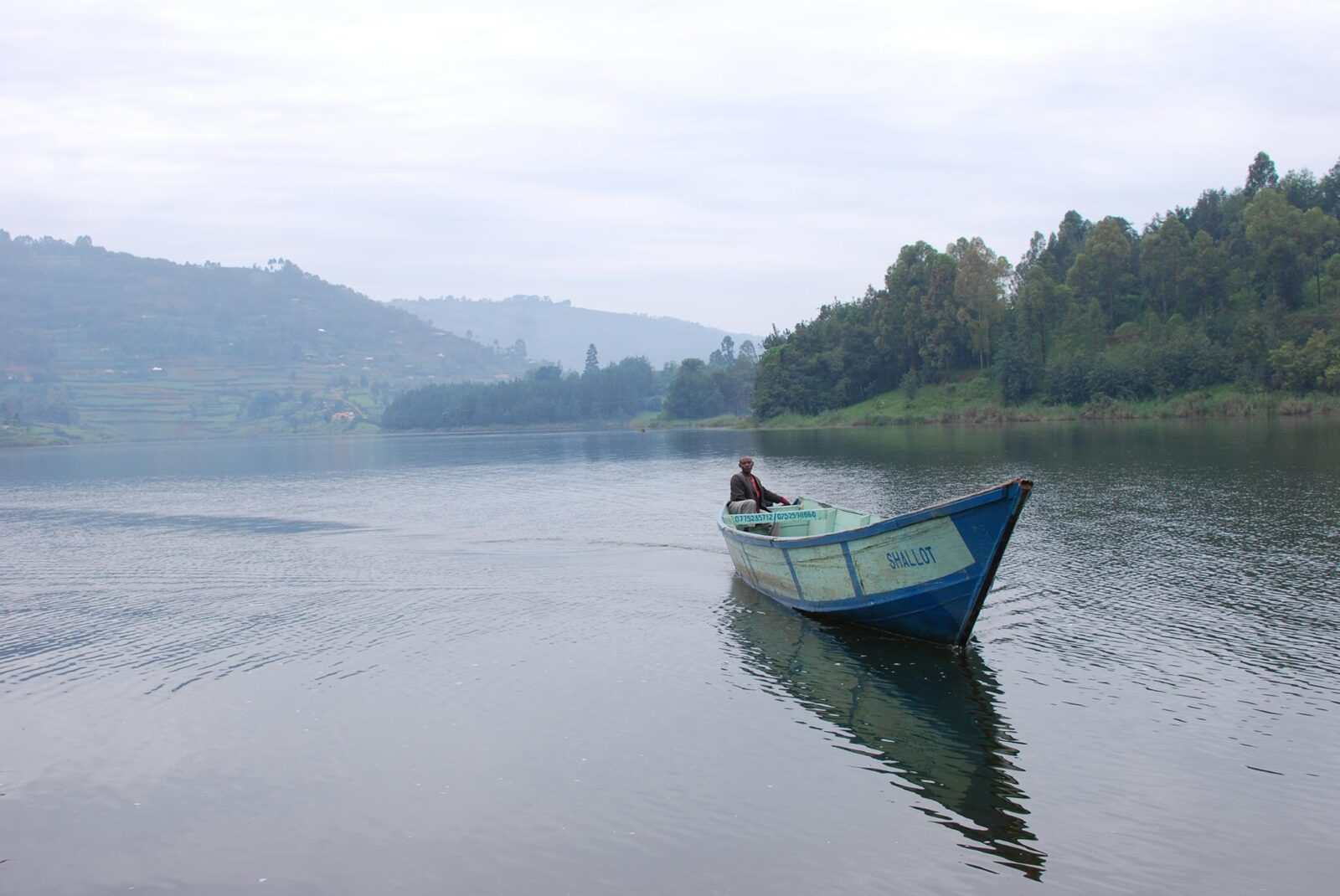
Bird’s Nest Resort, Lake Bunyonyi, Uganda
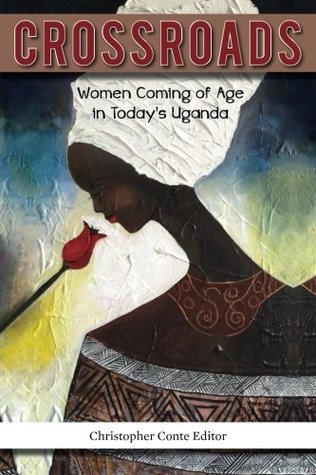
Women Coming of Age in Uganda
A woman backpacks across 17 countries on the journey of her mother’s dreams
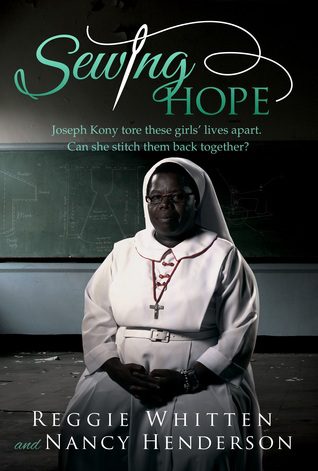
Amazing story of a nun who helped countless women recover from their enslavement by Joseph Kony
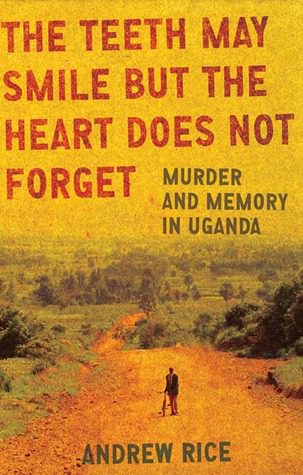
The books focuses on a trial for the murder of a man in 1972 by Idi Amin’s henchmen. It teaches about the history and politics of Uganda.