

Writer: Lauren Stuttaford
Travel brings meaning, joy, and new perspectives. But even the most beautiful journeys come with small surprises like a headache after a long flight, a blister from wandering through a new city, or a stomach that reacts to unfamiliar foods. Packing a simple travel first aid kit is one of the easiest ways to feel calm, prepared, and confident wherever you go.
Think of it as your personal “just in case” companion. It keeps minor issues from interrupting your experience or sending you to look for a pharmacy when you are tired, overwhelmed, or far away from help. And when something feels more serious, knowing you can speak to a trusted doctor abroad offers real peace of mind.


If you ever feel unsure about symptoms while traveling, you can check them instantly using the Air Doctor WebApp.
Try it here
Why a Travel First Aid Kit Matters
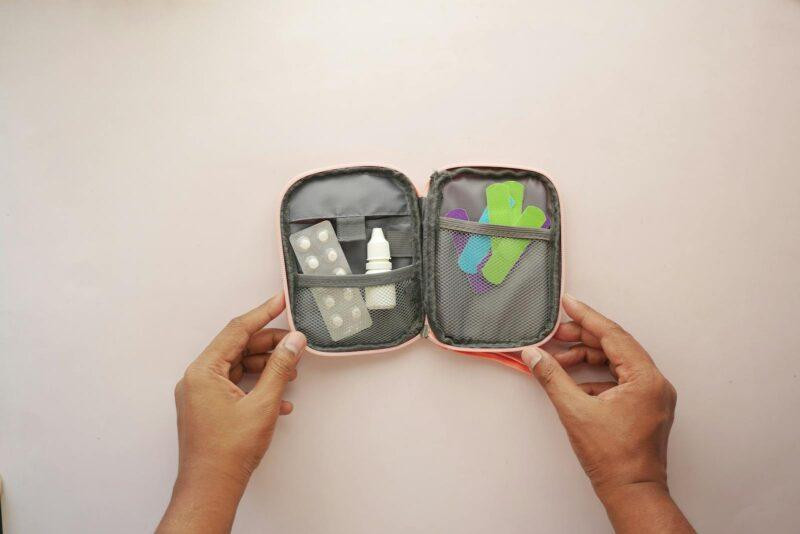
Photo by Towfiqu barbhuiya on Pexels
Travel magnifies small issues: long walks, unfamiliar foods, weather changes, or long flights. Pharmacies can be closed, hard to reach, or difficult to navigate. A first aid kit saves you time and worry by keeping essentials at hand.
For families, adventure travelers, and anyone exploring remote destinations, a kit offers reassurance. And when you need more than basic supplies, telemedicine platforms like Air Doctor let you speak with a local doctor abroad for quick guidance.
Choosing the Right Kit for Your Trip
Match your kit to your destination and travel style. City trips usually require only the basics. Outdoor adventures benefit from blister care, waterproof dressings, and extra sun protection. Families should include child-safe medications and a thermometer. Travelers with chronic conditions should pack enough prescription medication for the entire trip plus a few extra days.
Whether you choose a pre-made kit or build your own, what matters is that it supports your comfort and confidence.
The Essential Travel First Aid Kit Checklist
Below is a simple overview of the items travelers reach for most often. You do not need everything. Pack what suits your journey.
Basic First Aid
- Adhesive bandages
• Sterile gauze pads
• Antiseptic wipes
• Medical tape
• Tweezers
• TSA friendly scissors
Common Medications
- Pain relievers
• Antihistamines
• Anti diarrheal tablets
• Motion sickness medication
• Rehydration salts
• Personal prescription medication
Skin and Wound Care
- Antibacterial ointment
• Blister plasters
• Hydrocortisone cream
• Aloe vera or burn gel
• Antifungal cream
Cold, Flu and Respiratory
- Cough drops
• Small decongestant
• Throat spray
• Saline nasal spray
• Travel thermometer
Digestive Care
- Antacids
• Anti nausea tablets
• Activated charcoal
• Probiotics
• Electrolyte powder
Insect and Sun Protection
- Insect repellent
• After bite cream
• Anti itch cream
• Sunscreen
• After sun lotion
Emergency Items
- Emergency contact card
• Travel insurance details
• Compression bandage
• Disposable gloves
• Small flashlight
Personal Comfort Extras
- Lip balm
• Eye drops
• Hand sanitizer
• Face masks
• Pocket tissues
• Contact lens supplies
• Hot or cold pack
• Reusable water bottle
If you are unsure whether your symptoms need treatment, you can check them in seconds using the Air Doctor WebApp. Start here
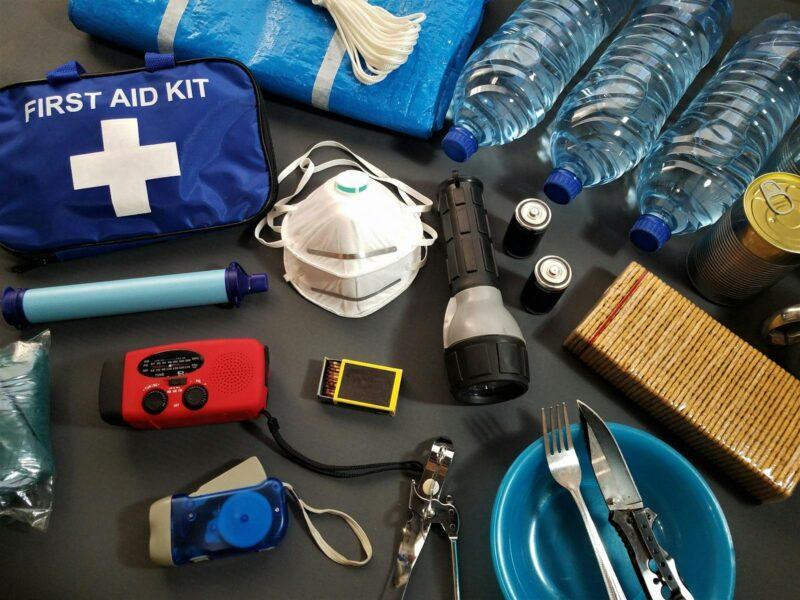
Photo by Roger Brown on Pexels
Tailoring Your Kit to the Trip
Each type of travel has unique needs.
Families with Kids
Child friendly medications, kids bandages, thermometer, children’s electrolytes.
Adventure Travel
Extra blister care, waterproof dressings, sports tape, water purification tablets.
Tropical Destinations
Strong insect repellent, antifungal cream, high SPF sunscreen, hydration salts.
Remote Areas
Extra prescription medication, larger dressings, emergency antibiotics if prescribed.
Short City Trips
A basic kit with bandages, pain relief, allergy tablets, hand sanitizer.
How to Pack Your Kit
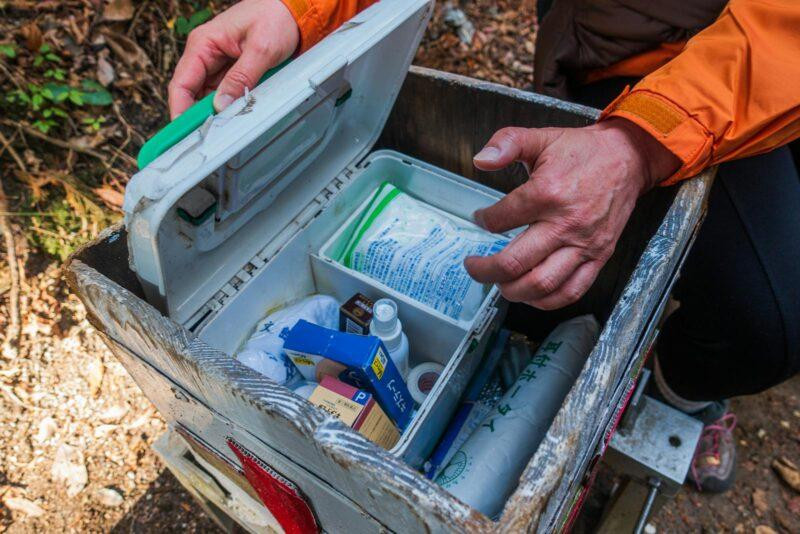
Photo by Jan Bouken on Pexels
Keep liquids under 100 ml if flying
• Use a waterproof pouch
• Label medications clearly
• Store daily medication in your carry-on
• Keep frequently used items accessible
When to Restock
- Before each trip check for expired medication, used or missing items, weather appropriate additions, and anything you relied on previously.
When to Use Telemedicine
A first aid kit supports minor discomforts, but some situations call for professional guidance. Telemedicine can support you when you are:
- Unsure what symptoms mean
- Concerned about rashes, bites, or allergies
- Experiencing stomach issues that persist
- Managing a chronic condition abroad
- Needing a prescription quickly
If you feel uncertain about symptoms or need quick medical advice while traveling, the Air Doctor WebApp is available anytime.
Check your symptoms here
Photo by Anna Shvets on Pexels
In Short
A well prepared travel first aid kit offers confidence and comfort wherever you go. Combined with smart planning, travel insurance, and access to trusted doctors abroad, it helps you travel with peace of mind and enjoy every moment.
Safe travels and gentle journeys.
Safe travels — and happy packing!
About The Air Doctor App
Air Doctor connects travelers with multilingual doctors and specialists in 90 countries, offering video consultations, clinic visits, and hotel appointments with transparent pricing and 24 or 7 support.
If you need medical guidance on your trip, start with the Air Doctor WebApp.
0 Comments